

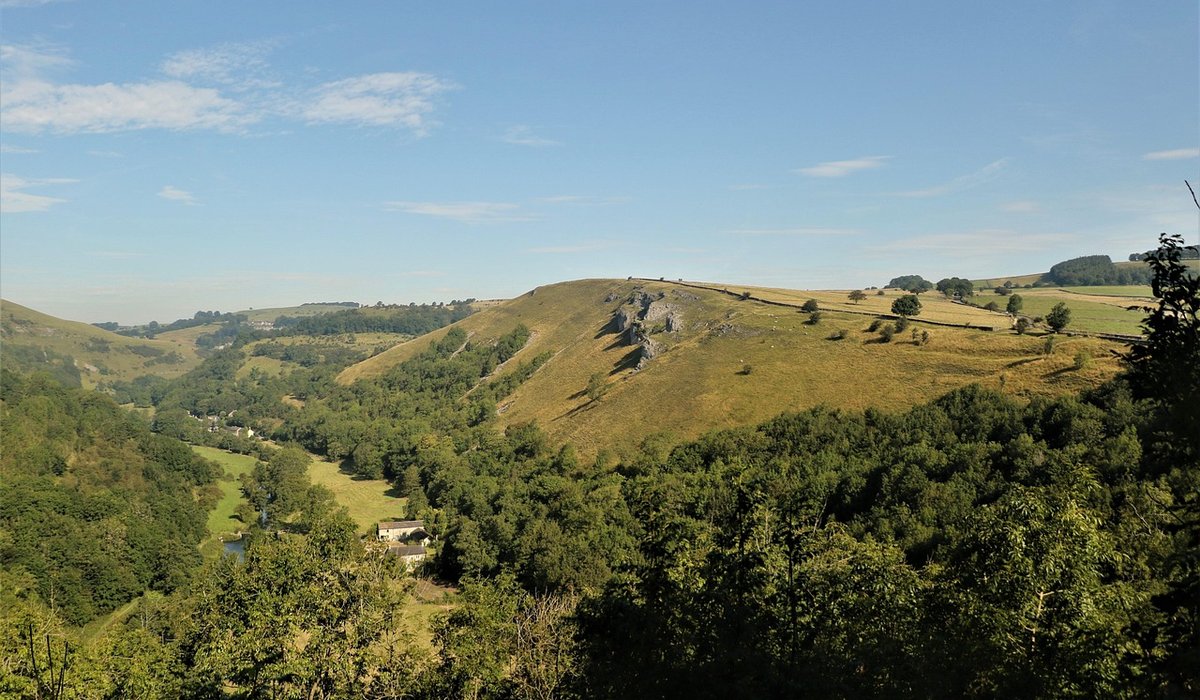
Sustainable Travel Choices for Short Breaks in the UK
Start with the journey, not the destination
The single biggest difference you can make to a short break's carbon footprint is how you get there. A return train journey from London to the Peak District produces a fraction of the emissions of the same trip by car, and it drops you in the middle of the action rather than a car park on the ring road. Advance fares released around twelve weeks ahead are often startlingly cheap, especially if you travel on a Tuesday or Wednesday rather than a Friday evening.
If a train genuinely won't work, think about coaches for longer hops and consider an electric car club for the final stretch. Many market towns now have a club vehicle parked within walking distance of the station, which solves the classic "last ten miles" problem without tying you to a full rental. Booking a through ticket that covers both rail and local bus is increasingly simple, and it means a missed connection is the operator's problem rather than yours.
Choose places that don't require a car
Some British destinations are quietly brilliant for car-free breaks, and choosing one is a form of sustainable travel in itself. Places like Hebden Bridge, Lewes, Ludlow, Hexham and St Ives all reward a visitor who arrives by rail and stays put. You get pubs, independent shops, riverside walks and a decent bus or footpath network within a couple of miles of the platform.
When you're comparing options, ask yourself three practical questions:
- Can I reach the accommodation on foot from the station or bus stop?
- Is there a decent circular walk starting from the door?
- Are there at least two good places to eat within fifteen minutes' walk?
If the answer to all three is yes, you've found a short break where the car stays at home without you feeling stranded. National trails and long-distance footpaths are a good starting point: most have station-adjacent sections and luggage transfer services that let you walk point to point with just a day pack.
Stay somewhere that keeps money local
Independent guesthouses, farm stays, bunkhouses and pubs with rooms tend to keep far more of your money in the local economy than a chain hotel on a retail park. They also tend to be the buildings that already exist, which means no new construction and no greenfield site. Look for places that mention their heating source, their recycling arrangements or their sourcing on their own website — the details are usually a fair signal of how seriously they take it.
A few things worth asking before you book, politely and briefly:
- Do you provide refillable water or a jug rather than single-use bottles?
- Is breakfast sourced locally, and can you cater for a vegetarian or vegan guest?
- Is there secure bike storage, and do you have a drying room?
Camping and self-catering cottages score well here too, particularly off-season, when a small cottage used by two people is far less resource-hungry than a heated hotel wing running at a fifth occupancy.
Eat, drink and shop with the season
The pleasure of a British short break is largely edible. Farmers' markets, village bakeries, brewery taps and delis selling cheese made ten miles away give you a genuinely better weekend while shortening supply chains at the same time. Take a foldable cup and a couple of containers; you'll be surprised how often a stallholder will fill them rather than reach for something disposable.
Booking a table at an independent restaurant on a quiet midweek night helps more than you'd think. Hospitality businesses in smaller towns live and die by spreading custom across the week rather than cramming it into Saturday. Ask staff what they'd recommend and what's in season — that conversation often turns into the best tip of the trip.
Pack light, waste less, tread gently
Lighter luggage means less fuel burned getting you there, and it makes a station-to-accommodation walk realistic. A reusable bottle, a compact coffee cup, a cloth bag and a small Tupperware cover most eventualities. Refill points are now common in stations, cafés and many town centres, so running dry is rarely a problem.
On the ground, small habits add up:
- Stick to marked paths on moorland and coastal clifftops, especially after rain.
- Take all litter home, including the things that feel harmless, like apple cores and tea bags.
- Use public transport or your own feet for day trips rather than moving the car twice.
- Buy a local guidebook, map or piece of craft as a souvenir instead of something shipped in.
If you're visiting somewhere busy, consider shifting your trip to a shoulder season. A quiet Thursday in late September in the Cotswolds or the Lakes is a completely different experience from a bank holiday Saturday, and it spreads pressure on the paths, car parks and villages that suffer most in peak weeks.
A better weekend, not a worthier one
Sustainable travel on a short break isn't about denying yourself anything. It's about arranging the trip so the good bits — the walk, the pub lunch, the slow train window, the chat with the person who runs the guesthouse — come first, and the wasteful bits quietly fall away. Book the train early, pick a town that works on foot, spend your money with people who live there, and you'll come home rested rather than vaguely guilty. That's a weekend worth repeating, several times a year, for years to come.


City Breaks
-
Discover practical tips for booking trains, choosing central accommodation and seeing York's historic walls without rushing your itinerary.


Heritage Tours




-

Long established fact that a reader will be distracted
-

Long established fact that a reader will be distracted
-

Long established fact that a reader will be distracted




Coastal Escapes
Karla Gleichauf
12 May 2017 at 05:28 pm
On the other hand, we denounce with righteous indignation and dislike men who are so beguiled and demoralized by the charms of pleasure of the moment
M Shyamalan
12 May 2017 at 05:28 pm
On the other hand, we denounce with righteous indignation and dislike men who are so beguiled and demoralized by the charms of pleasure of the moment
Liz Montano
12 May 2017 at 05:28 pm
On the other hand, we denounce with righteous indignation and dislike men who are so beguiled and demoralized by the charms of pleasure of the moment