

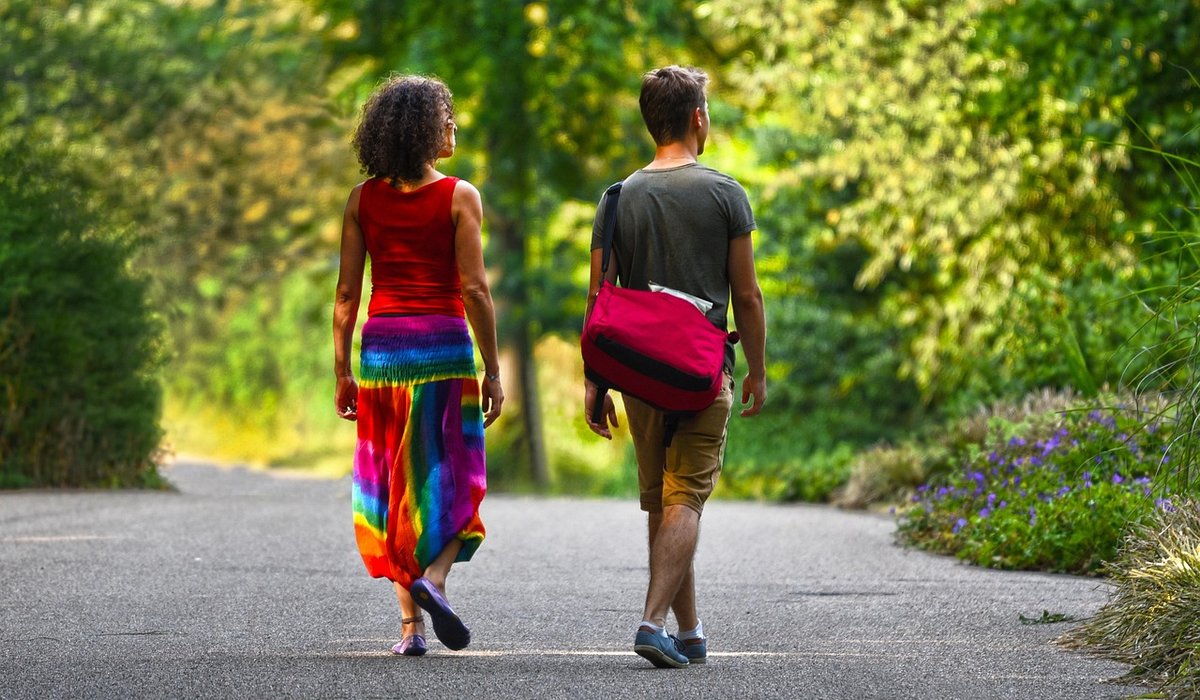
Packing for a British Countryside Walk in Changeable Weather
Why British Weather Rewards Preparation
There is an old saying among hill walkers that there is no such thing as bad weather, only unsuitable clothing. In Britain it is less a cliché and more a survival strategy. A forecast promising a dry, bright afternoon can still deliver a sharp shower over a exposed ridge, a sudden drop in temperature as you climb into cloud, and a muddy descent that soaks everything below the knee. The trick is not to outguess the weather but to dress for all of it at once.
The core idea is simple. You want a small number of thin layers that you can add and remove through the day, rather than one heavy coat that leaves you either sweltering on the climb or shivering at the summit. Think in three parts: a base layer next to your skin, an insulating mid layer, and a waterproof outer shell. Everything else is detail, and the detail is what keeps you comfortable.
Base Layers: Start Dry, Stay Dry
Your base layer manages moisture, and moisture is the enemy. Once you are damp with sweat and the wind picks up, you lose heat remarkably quickly. Cotton is the worst offender here: it soaks up sweat, holds it against your skin and dries with painful slowness. Leave the everyday t-shirt at home.
Choose a thin, close-fitting base layer in merino wool or a synthetic wicking fabric. Merino is warmer for its weight, resists whiff after a long day, and stays comfortable across a wide range of temperatures. Synthetics dry faster and cost less. Either works well; what matters is that it fits snugly and moves sweat away from your skin.
- Top half: short or long-sleeved wicking base layer, plus a spare in your rucksack
- Bottom half: walking trousers in a quick-drying fabric, never jeans
- Avoid: cotton anything, including cotton socks
The Mid Layer and the Waterproof Shell
Your mid layer traps warm air, and you will take it on and off more often than you expect. A light fleece or a thin synthetic jacket is ideal for spring and autumn; add a second, warmer mid layer for winter or for stops where you will be standing around. A softshell is a smart choice for breezy days because it shrugs off wind and light drizzle while still breathing well on a climb.
The waterproof shell is the piece worth spending properly on. Look for taped seams, a hood with a stiffened peak that stays up in wind, and a fabric that breathes as well as it repels. A jacket that keeps rain out but traps sweat will leave you just as wet inside. Waterproof trousers matter just as much as the jacket on British trails, where long wet grass and deep mud will soak through ordinary walking trousers in minutes. Choose ones that open down the leg so you can pull them on over boots without removing them.
Footwear, Mud and Staying Upright
Most British countryside walks involve mud at some point, and the right footwear turns a slippery, miserable slog into an ordinary afternoon. Waterproof walking boots with decent ankle support and deep, well-spaced lugs on the sole are the reliable default for hills, moors and uneven woodland paths.
- Walking socks: cushioned, wool-rich and seam-free, with a spare pair in your bag
- Gaiters: short ones keep mud and grit out of your boots and trousers
- Wellies: fine for flat, lowland fields and riverside paths, hopeless on rocky ground
- Walking pole: one is enough to steady you on descents where the mud is slick
Break boots in before a long walk, and never set off in something you have only worn around the house. Blisters end more days out early than rain ever does.
What Goes in the Rucksack
A 20 to 30 litre rucksack covers most day walks, with a waterproof liner or dry bags inside. Pack for the walk you are actually doing, plus a margin for the unexpected.
- Water: at least a litre for a half-day, more in summer
- Food: a proper lunch plus high-energy snacks you can eat on the move
- Navigation: a paper map and compass, plus a charged phone kept in a dry bag
- Head torch: light and small, and invaluable if the day runs long
- Warm hat and gloves: hilltops are noticeably colder than valleys
- Sun cream and midge repellent: both earn their place between May and September
- Basic first aid: blister plasters, plasters, painkillers, a foil blanket
- Spare layer and socks: kept dry, they rescue a day that goes wrong
Small Comforts That Make a Difference
The final touches are what separate a tolerable walk from a genuinely enjoyable one. A flask of tea at a windy viewpoint is a small luxury that costs almost nothing to carry. A lightweight sit mat keeps your backside dry when the only available bench is soaked. A small microfibre towel dries hands, glasses and boots.
Leave a full change of clothes and a pair of dry shoes in the car. After six miles of mud and drizzle, that simple preparation feels like the best decision you made all day. Layer wisely, pack the waterproofs whatever the forecast says, and British weather stops being something to endure and becomes part of the pleasure.


City Breaks
-
Enjoy steam trains, picnic stops and interactive museums while keeping costs down and little ones entertained throughout the day.


Heritage Tours




-

Long established fact that a reader will be distracted
-

Long established fact that a reader will be distracted
-

Long established fact that a reader will be distracted




Coastal Escapes
Karla Gleichauf
12 May 2017 at 05:28 pm
On the other hand, we denounce with righteous indignation and dislike men who are so beguiled and demoralized by the charms of pleasure of the moment
M Shyamalan
12 May 2017 at 05:28 pm
On the other hand, we denounce with righteous indignation and dislike men who are so beguiled and demoralized by the charms of pleasure of the moment
Liz Montano
12 May 2017 at 05:28 pm
On the other hand, we denounce with righteous indignation and dislike men who are so beguiled and demoralized by the charms of pleasure of the moment